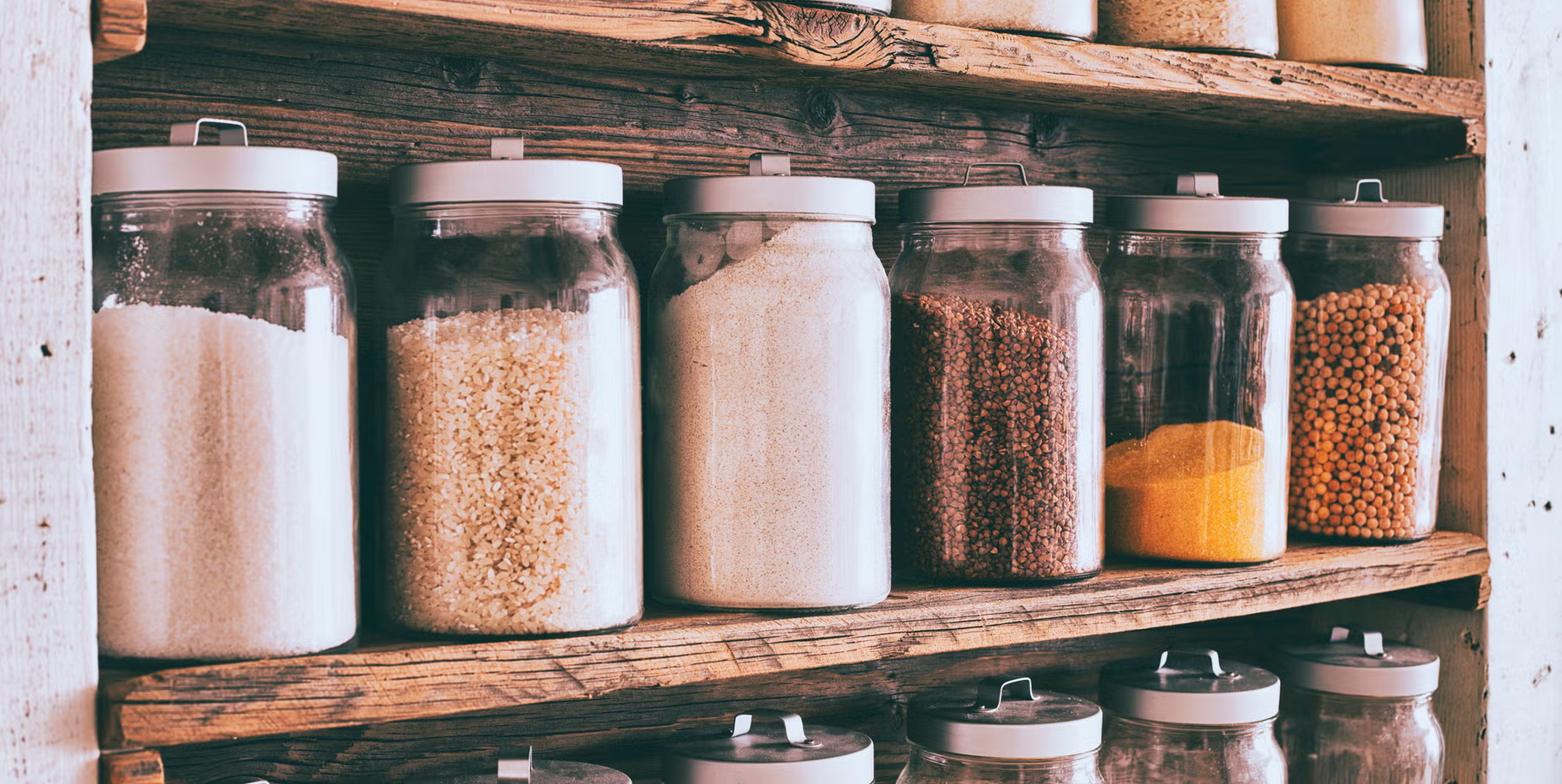
A great meal starts long before you turn on the stove. Stock your pantry with the right spices, condiments, and ingredient essentials and you’ll always have the foundation for something delicious — even on an empty fridge kind of day.
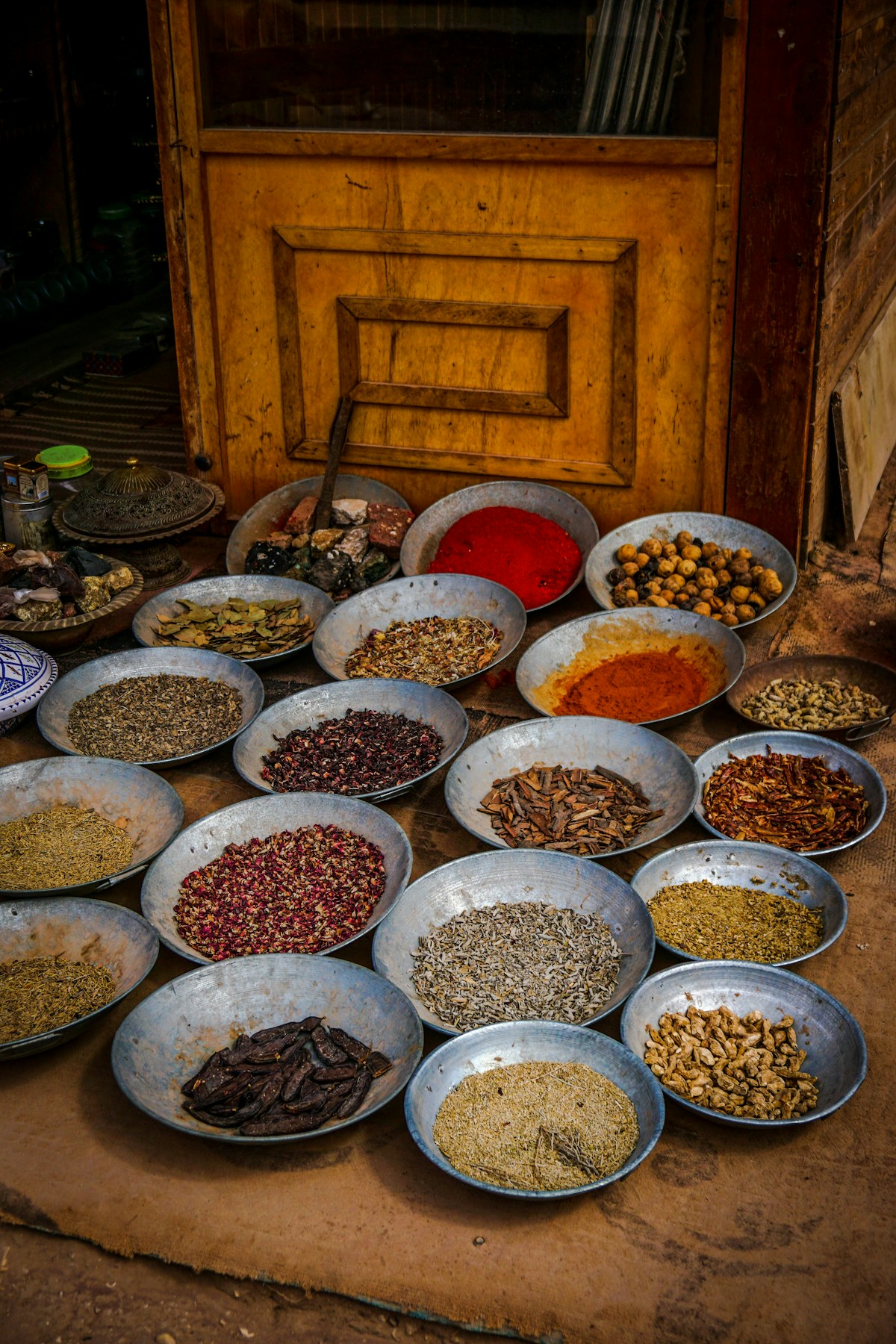
Spices
Spices are the backbone of flavor. A well-stocked spice rack means the difference between a flat dish and one that sings. Buy whole spices when you can and toast them before using — it unlocks oils and deepens complexity in a way pre-ground never quite achieves.
The Essentials
- Kosher Salt — The chef’s salt of choice. Its coarse texture gives you control and it dissolves evenly. Use it at every stage of cooking, not just at the end.
- Black Pepper (whole) — Buy whole peppercorns and grind fresh. Pre-ground loses its punch within weeks.
- Smoked Paprika — Adds depth, color, and a subtle smokiness to everything from roasted chicken to vinaigrettes.
- Cumin — Earthy and warm, cumin is a workhorse spice that bridges cuisines from Mexican to Middle Eastern to Indian.
- Red Pepper Flakes — A pinch wakes up pasta, pizza, soups, and braises without making things aggressively spicy.
- Coriander — Bright and citrusy, coriander pairs beautifully with cumin and is essential in spice rubs and curry blends.
- Cinnamon — Not just for baking. A small amount in savory braises and stews adds unexpected warmth and complexity.
- Bay Leaves — Drop one into any long-simmering stock, soup, or braise. Its subtle herbal quality rounds out the whole pot.
Pro Tips
- Toast whole spices in a dry pan over medium heat until fragrant — about 60–90 seconds — before grinding.
- Store spices away from heat and light. Above the stove is the worst place for them.
- Replace ground spices every 6–12 months. If they don’t smell like anything, they won’t taste like anything.
Condiments
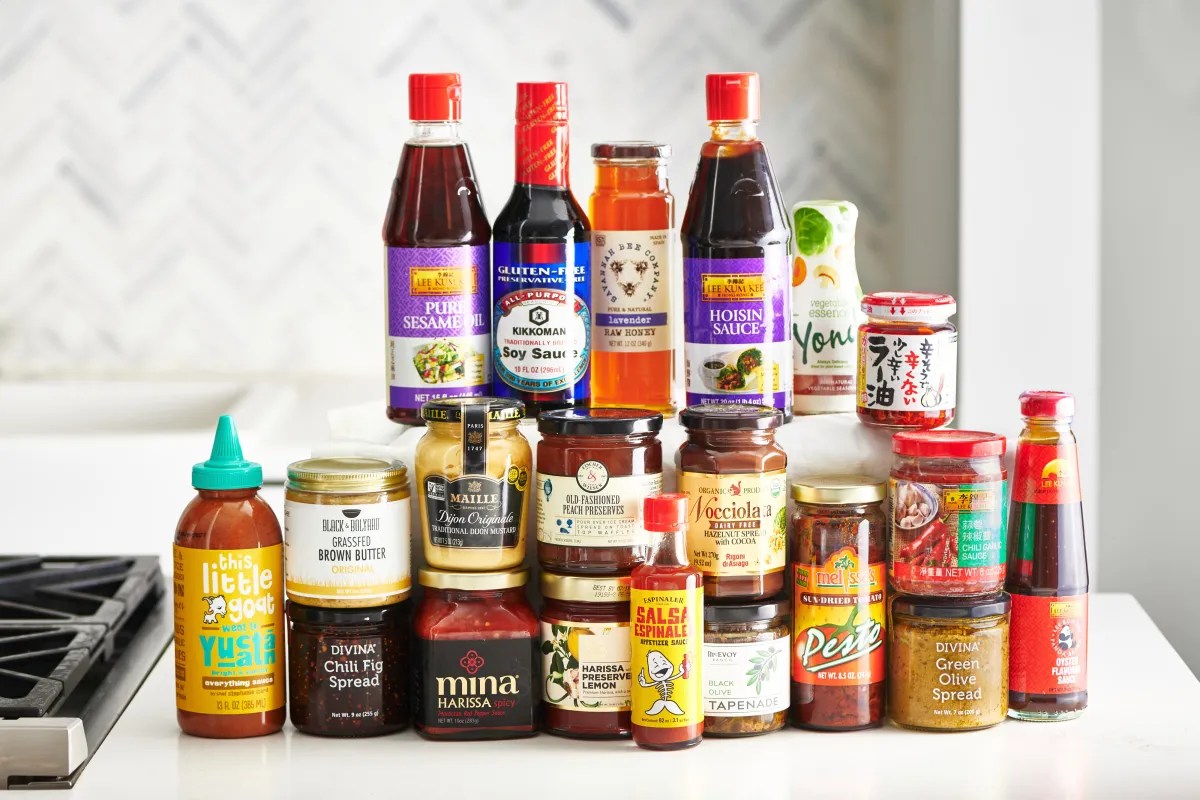
Condiments are flavor shortcuts that took someone else years to perfect. They add acidity, umami, heat, and richness in seconds. The right lineup in your fridge door means a sauce, marinade, or finishing touch is always one reach away.
The Essentials
- Soy Sauce — One of the most umami-rich condiments on the planet. Use it in marinades, stir-fries, dressings, and braises. A splash at the end of a pan sauce adds remarkable depth.
- Dijon Mustard — An emulsifier and flavor powerhouse. Essential for vinaigrettes, spreads, and pan sauces. It binds fat and acid together like nothing else.
- Fish Sauce — Don’t be put off by the smell in the bottle. A small amount dissolved into cooking adds a savory, salty backbone that’s impossible to identify but impossible to ignore.
- Worcestershire Sauce — Complex, tangy, and deeply savory. Use it in meat marinades, Bloody Marys, and to boost any braise or stew.
- Hot Sauce — Keep at least one vinegar-based hot sauce (like Tabasco or Crystal) for brightness, and one chile-based one (like Cholula) for body and heat.
- Rice Vinegar — Mild and slightly sweet, it’s the go-to for dressings, pickling, and balancing richness in Asian-inspired dishes.
- Miso Paste — White miso is the most versatile — stir it into soups, whisk into butter, or use as a glaze for fish, chicken, or vegetables.
Pro Tips
- When a dish tastes flat, try acid before salt — a splash of vinegar or squeeze of citrus often does more than another pinch of salt.
- Miso and fish sauce can replace salt entirely in many recipes while adding layers of umami.
- Check expiration dates on condiments regularly — most last 6–12 months once opened.
Ingredient Essentials
Beyond spices and condiments, certain core ingredients make cooking from scratch possible on any given night. These are the items that never leave a chef’s pantry — the ones that form the base of hundreds of recipes and save dinner when the fridge looks bare.
The Essentials
- Extra Virgin Olive Oil — Use a good one for finishing and dressings, a cheaper one for cooking. The flavor difference matters most when it’s raw.
- Neutral Oil (Canola or Grapeseed) — For high-heat cooking where olive oil would burn. Essential for searing, frying, and stir-frying.
- Canned San Marzano Tomatoes — The gold standard for pasta sauces, braises, and soups. Better than most fresh tomatoes available outside of summer.
- Dried Pasta — Stock several shapes. Long noodles for olive oil and cream sauces, short tubes and ridged shapes for chunky meat and vegetable sauces.
- Garlic — Fresh whole heads, always. Jarred pre-minced garlic is a shortcut that costs you flavor. A head of garlic lasts weeks on the counter.
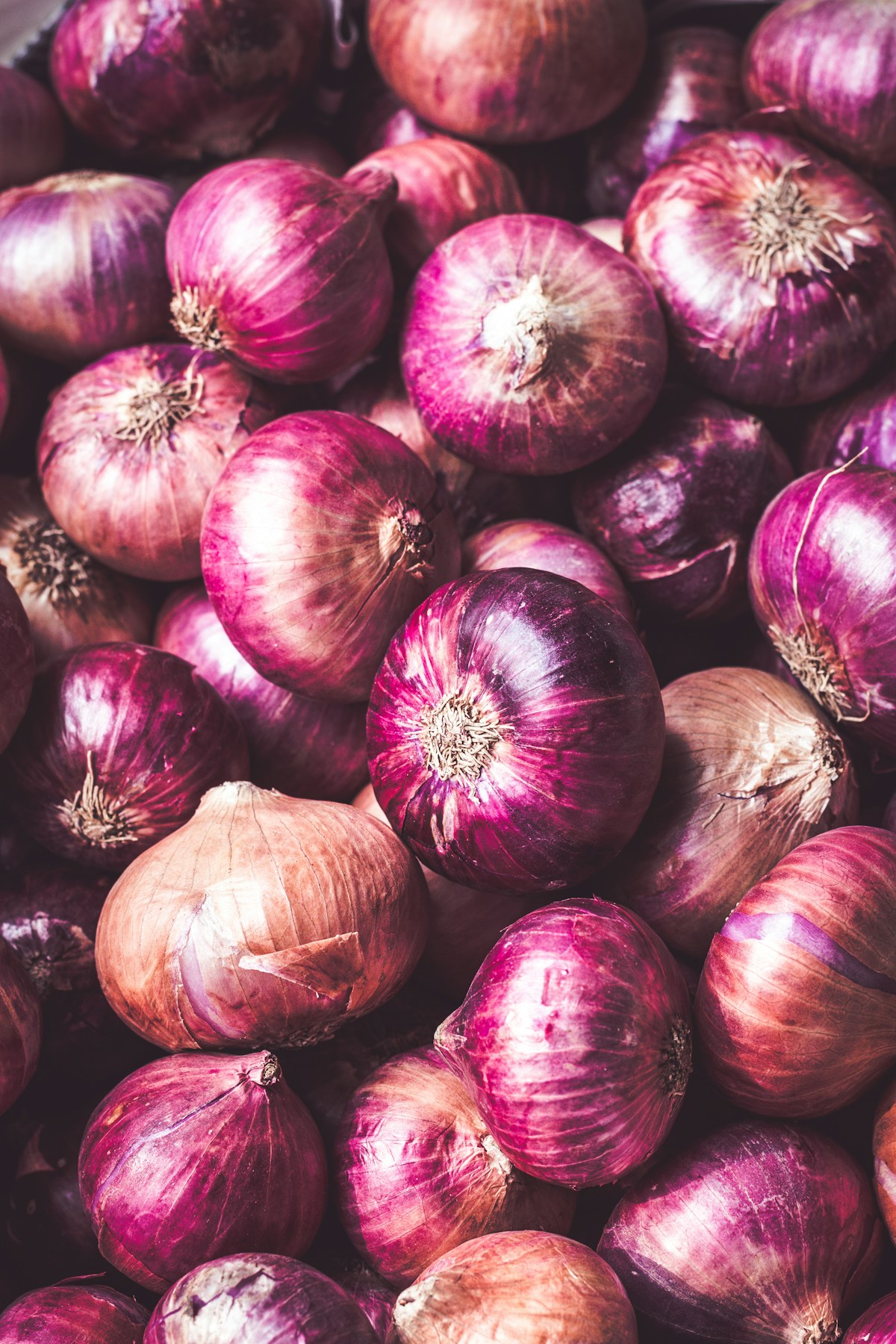
- Onions & Shallots — The aromatic foundation of almost every cuisine in the world. Onions for bulk and sweetness, shallots for a more delicate, refined flavor.
- Dried Lentils & Canned Beans — Protein-rich, shelf-stable, and endlessly versatile. Chickpeas, cannellini, and black beans cover most recipes.
- Good Stock or Broth — Homemade is best, but a quality store-bought chicken or vegetable stock is a perfectly fine backup. It’s the liquid foundation of soups, risottos, braises, and pan sauces.
- Unsalted Butter — Always unsalted so you control the salt level. Use it for finishing sauces, sautéing aromatics, and baking. A tablespoon swirled into a pan sauce at the end is called mounting — it creates silkiness and richness instantly.
- Lemons — Acid is one of the most underused tools in the home kitchen. A squeeze of lemon at the end of a dish brightens everything and ties flavors together.
Pro Tips
- Taste as you cook. The pantry gives you the tools — your palate is what guides them.
- Rotate your pantry stock so older items are used first and nothing expires forgotten in the back.
- Buy the best quality you can afford for finishing ingredients like olive oil, butter, and salt — they’re used raw and their quality is fully exposed.
Leave a Reply